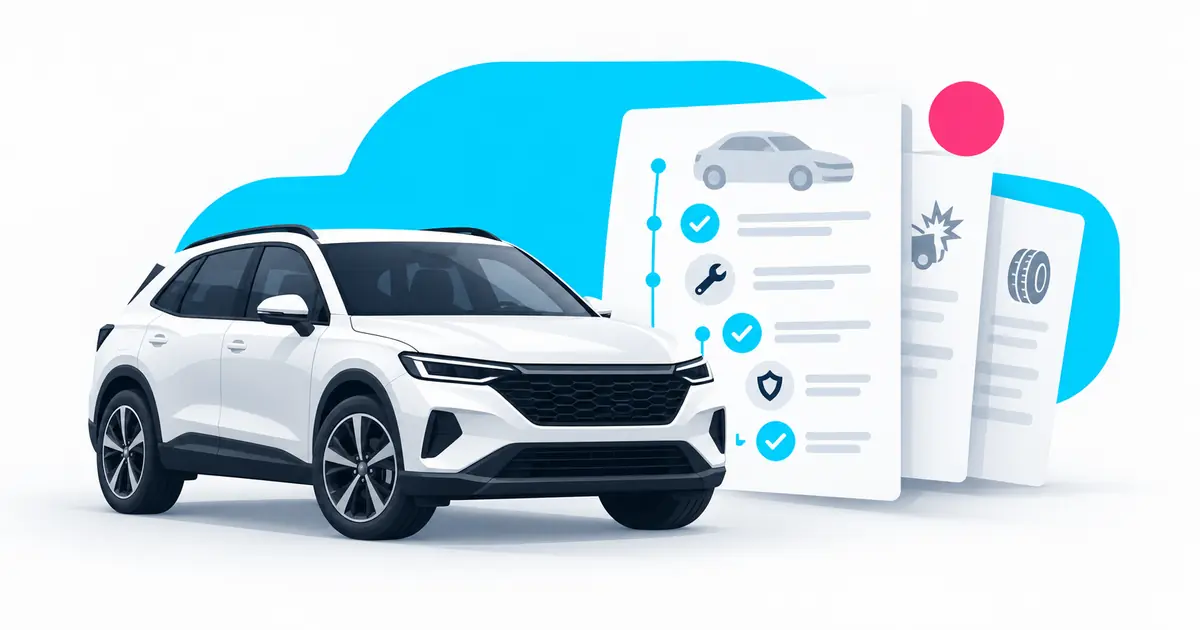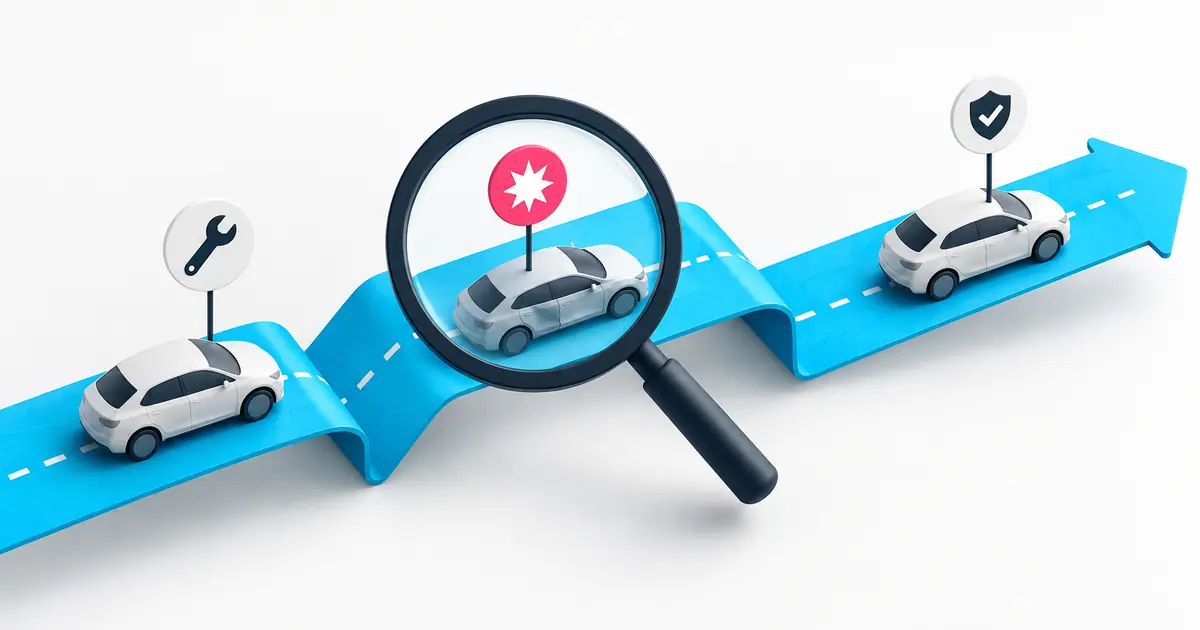
A vehicle-history check and a mechanical inspection are essential before buying used, but neither should replace an open-recall check. Use the vehicle identification number (VIN) to look for recalls tied to the specific car you are considering, then discuss any result with the seller before you commit to the purchase.
The National Highway Traffic Safety Administration (NHTSA) explains that a recall is issued when a manufacturer or NHTSA determines that a vehicle, equipment, car seat, or tire creates an unreasonable safety risk or fails to meet minimum safety standards. That makes a recall search a practical safety step, not simply another item on a paperwork list.
Start with the VIN, not just the model name
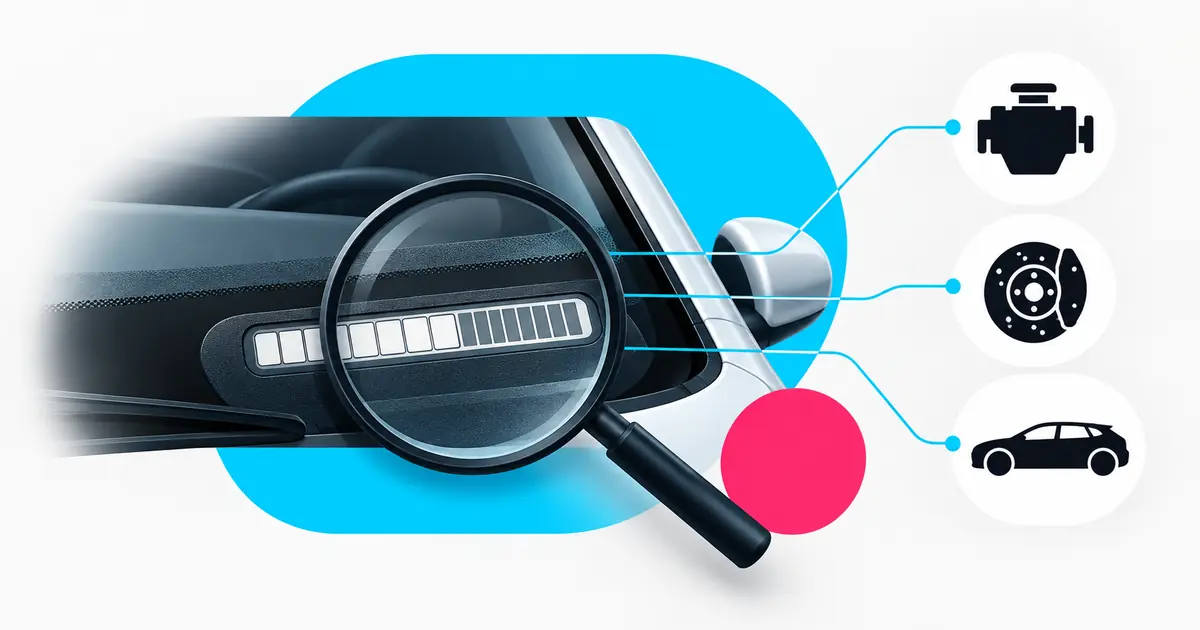
Ask for the full VIN before you travel to see the car. Compare it with the VIN displayed on the vehicle and with the seller's documents when you inspect it. If the characters do not match, pause the transaction until the discrepancy is explained.
If you need help identifying it, see what a VIN is and where to find it. A VIN-based search is more precise than a broad search for recalls affecting a model because vehicles of the same model can have different equipment, production details, and recall status.
Use the VIN in NHTSA's recall search. You can also check the manufacturer's official recall resource. Save or note the result, including the date you searched and the VIN used. The status can change, so repeat the check shortly before completing the sale if there is time between viewing the car and signing the paperwork.
How to read the result
A result showing an open recall calls for a conversation, not an automatic assumption about the car's overall condition. Ask the seller whether the recall repair has been completed and request any supporting paperwork they have. If the seller says it was repaired but the lookup still shows it as open, contact an authorized dealer or the manufacturer for clarification before relying on that statement.
A result with no open recall is useful, but it is limited. It is not a condition report, a title check, proof of maintenance, or a guarantee that the vehicle has never been damaged. Treat it as one part of a broader buying process.
A history report may help you investigate title records, mileage entries, and reported damage, depending on the data available for that VIN. Learn how to distinguish VIN decoding from a vehicle-history check so that a specification lookup is not mistaken for a complete buying decision.
Questions to ask the seller
Bring the recall result to the viewing and ask direct, neutral questions:
- Are you aware of any open recalls for this vehicle?
- Has an authorized dealer completed recall work? If so, when and where?
- Do you have an invoice, service record, or other documentation?
- Has the car recently been serviced by the manufacturer or a dealer?
- Will you allow a pre-purchase inspection before the sale?
Write down the answers. A seller who cannot provide records may still have a legitimate explanation, but the uncertainty should influence how carefully you verify the vehicle and whether you proceed.
Pair the recall search with other checks
An open-recall search answers one safety question. A careful used-car purchase requires several separate checks, each with different limitations.
Review title and damage history
Confirm the title status and investigate signs of prior severe damage. This matters especially when the price appears unusually low or the repair history is unclear. Our guide to checking a salvage title before buying explains a title-history workflow and the records to compare.
Inspect the actual vehicle
A lookup cannot assess tires, brakes, fluid leaks, warning lights, structural repairs, or how the car behaves on the road. Arrange an independent pre-purchase inspection and take an unhurried test drive. Use the used-car pre-purchase inspection checklist to organize the questions and observations.
Check for theft concerns separately
Recall information is not a theft search. If something about the VIN, seller, documents, or price raises concern, stop and investigate before paying. Read how to check whether a used car is stolen for a separate set of checks.
When to walk away or slow down
Do not let a pending sale force a rushed decision. Slow down if the seller will not share the VIN, the VINs do not match, an open recall cannot be explained, or the seller refuses an independent inspection. The same applies when the documents, vehicle condition, and seller's account do not fit together.
If the recall check identifies an open item, decide only after you understand the next step for that exact vehicle. Ask an authorized dealer or the manufacturer how the remedy is handled and whether an appointment is needed. Keep written answers and records with the rest of the vehicle file.
A simple order of operations
- Obtain the VIN from the listing or seller.
- Compare it with the car and its documents in person.
- Run an NHTSA recall search and record the result.
- Ask the seller about any open item and request documentation for completed work.
- Review title and history information, then arrange an independent inspection.
- Recheck the recall status before finalizing the purchase if the deal is delayed.
This order keeps the recall search quick without letting it stand in for the broader checks a used car deserves.