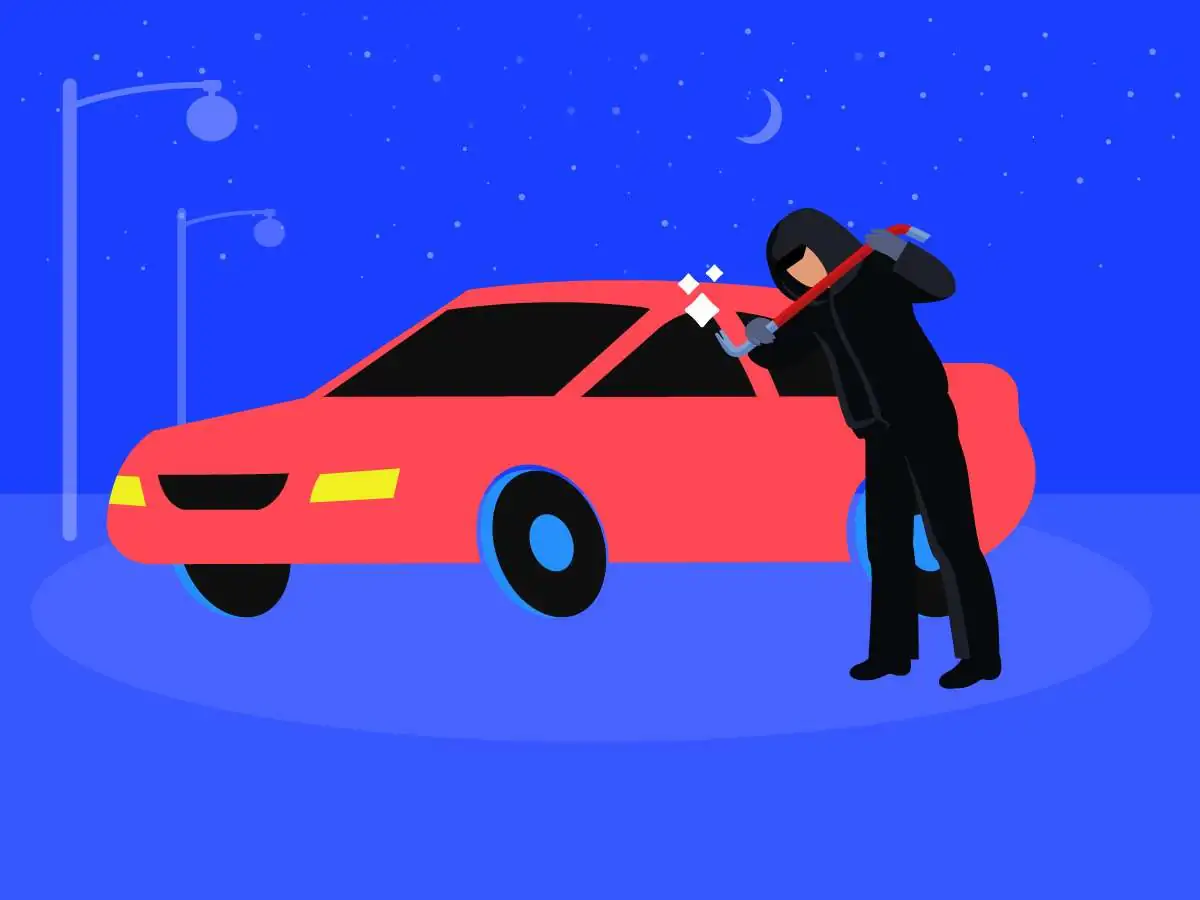
Before buying a used car, compare its VIN and ownership documents and check whatever theft records are available. These steps help you spot warning signs, but no single search can guarantee that the vehicle is legitimate.
Checking a car’s status before you buy is essential if you want to avoid legal and financial trouble. Buying a stolen car can lead to serious problems, including losing both the car and the money you paid, as well as possible legal consequences for possessing stolen property.
The point of these checks is to test what the seller tells you and catch inconsistencies before you pay. Even a clean database result should be weighed together with the car itself, the seller’s identity and the car’s documents.
The guide below explains the main checks and what to do when information is missing or does not match.
How to Tell If A Car Is Stolen?
Making sure a car isn’t stolen before you buy it matters for several reasons.
If a car turns out to be stolen, it can be taken back from the buyer, who is then left trying to recover the money they paid. The process and consequences depend on the jurisdiction and circumstances, so clear up any doubts about ownership before you complete the purchase.
Reliable records make a deal easier to judge. If the documents are incomplete, the VINs don’t match or the seller pushes you to skip checks, stop and ask for an explanation.
A car title is an official document that certifies the legal ownership of a vehicle. It includes important information such as the owner's name and address, the vehicle identification number (VIN), make, model, and year. In transactions, the title must be transferred to the new owner to legally change ownership.
Buying a vehicle without its title can be complicated, and the rules vary by jurisdiction both within the United States and internationally. Each region has its own legal requirements and processes for handling such transactions, so it's important to understand local laws and regulations before going ahead with this kind of purchase.
It’s generally not recommended because of the risk of theft or undisclosed damage, but some places accept other proof of ownership to get a title issued.
Early indicators that a car might be stolen include:
- a significantly lower price than market value
- lack of proper documentation or reluctance to provide it
- altered or missing Vehicle Identification Number (VIN)
- signs of tampering on locks or ignition
- limited or non-verifiable seller information
- conflicting or suspicious explanations about car origin or ownership
- seller's urgency to close the deal quickly without proper checks
To minimize risks when buying a used car, take these precautions:
- Bill of sale: Get a detailed bill of sale, listing the transaction details, buyer and seller information, and the vehicle's specifics (make, model, year, VIN).
- Seller’s identity: Check that the seller is entitled to sell the vehicle and that their details match the documents. Only collect and keep the information you need for the sale, in line with local rules.
- Missing ownership documents: Ask the seller to sort out any missing documents with the relevant vehicle authority before you pay. Requirements differ, but a promise to get the paperwork later is not the same as verified ownership.
We strongly advise you to always inspect the car and verify its details thoroughly so the sale is secure.
Five Checks Before Buying
To make sure a vehicle is legitimate and its history checks out before you buy, go through a thorough verification process. Here’s how:
1. Obtain the Vehicle Identification Number (VIN) from the car
The VIN can typically be found on the driver's side dashboard, visible through the windshield, and on the driver's side door on the door post (where the door latches when it is closed). It may also be listed in the vehicle's registration documents, insurance papers, or the owner's manual.
How to check if a car is stolen by VIN: Make sure the VIN on the vehicle matches the VIN listed in any documents provided by the seller. For more details, see our guide on VIN trackers, specs, and year decoding.
2. Use a reputable online service to run a VIN check
VIN checks from services such as CarVertical, Carfax and AutoCheck may reveal recorded theft information, depending on coverage. Our best VIN decoders in 2024 guide reflects the market at the time it was written, so check each provider’s current coverage and terms before buying.
Process: Enter the VIN into the service you’ve chosen and check what the report covers before you pay. A report can give you useful evidence, but the price alone doesn’t tell you how much information will be available for the car.
3. Inspect the car's documentation for any discrepancies
Review all provided documentation, including the title, registration, maintenance records, and any warranties. Ensure the VIN matches across all documents.
Look for any signs of tampering or inconsistencies in the documents, such as mismatched VINs, altered information, or missing history.
A mismatched or altered VIN needs to be looked into. Don’t go ahead just because the seller says it’s fine; contact the appropriate vehicle authority or police for guidance on verifying the vehicle’s identity.
4. Check national databases or law enforcement resources
Check official resources available in the vehicle’s country. In the United States, NICB’s free VINCheck searches certain unrecovered-theft and salvage records supplied by participating insurers. It is not a complete law-enforcement or vehicle-history database.
5. Consult with a professional for a comprehensive background check
If you're not confident in your ability to verify the vehicle's history or condition, consider hiring a professional. This can be a mechanic for a pre-purchase inspection or a company specializing in vehicle history and legal status checks.
A mechanic can check the car’s mechanical condition, while a vehicle authority or the right specialist can help with questions about its identity and paperwork. No single professional check guarantees that every hidden issue will be found.
How to Check If A Car Is Stolen for Free
To check for free whether a car is stolen, you can use online resources and databases that offer VIN checks at no cost. Here's how you can do it:
- The National Insurance Crime Bureau (NICB) offers a free VINCheck service for certain theft and salvage records from participating insurers. A result showing no record does not prove that the car was never stolen or damaged.
- Certain online marketplaces and automotive forums might have tools or community resources where users can post information about stolen vehicles. It’s not a direct VIN check, but it can help to know about these platforms.
- Treat information from forums or social media as unverified leads. If something makes you suspect theft, go through the proper official channel to report or verify it instead of treating public posts as proof.
Please be aware that while these resources can provide valuable information about the theft status of a vehicle, they might not always have the most up-to-date information.
When you’re buying, combine the available records with verified ownership documents and an inspection. Buying another report won’t necessarily clear up a problem with the car’s identity or a missing title.
Before You Commit
Ask questions about an unusually low price, incomplete paperwork or pressure to pay quickly. Any one of these may have an innocent explanation, but if inconsistencies can’t be resolved, walk away from the deal.
However attractive the offer, buying a stolen car is never worth it. In the end, you risk losing both the car and the money you paid for it.
FAQs
What are the risks of buying a stolen car?
If you unknowingly purchase a stolen car, you may lose both the vehicle and the money you paid, as the car will be returned to its rightful owner.
How can I protect myself from buying a stolen vehicle?
Always perform a comprehensive VIN check, inspect the vehicle's documentation for authenticity, and consider having a professional inspect the car before purchase.
Is it safe to buy a used car from a private seller?
Buying from a private seller can be safe if you take precautions, such as verifying the VIN, checking the car's history, and ensuring all documents are legitimate and match the vehicle.
Can I check if a car is stolen without the VIN?
Without the VIN, it's challenging to check if a car is stolen. However, you can look for signs of tampering or inconsistency in the vehicle's documentation or contact law enforcement for advice.
What should I do if the car I bought is stolen?
If you discover that a car you bought may be stolen, contact the police and explain the circumstances. Keep the listing, correspondence, payment records and vehicle documents.
Follow the authorities’ instructions and contact your insurer promptly where relevant. Ask what records they need and whether your policy provides any cover; a claim or reimbursement is not automatic.