An accident can affect a car’s resale value, but the extent depends on the damage, repairs and the vehicle’s overall history. This guide explains the factors to look at and why knocking a fixed percentage off the price is rarely reliable.
Take the case of a seller worried about a repaired 2019 Hyundai Ioniq Blue. It shows the kind of questions buyers may ask, but forum opinions are no way to value a different car.
Understanding the Impact of a Previous Accident
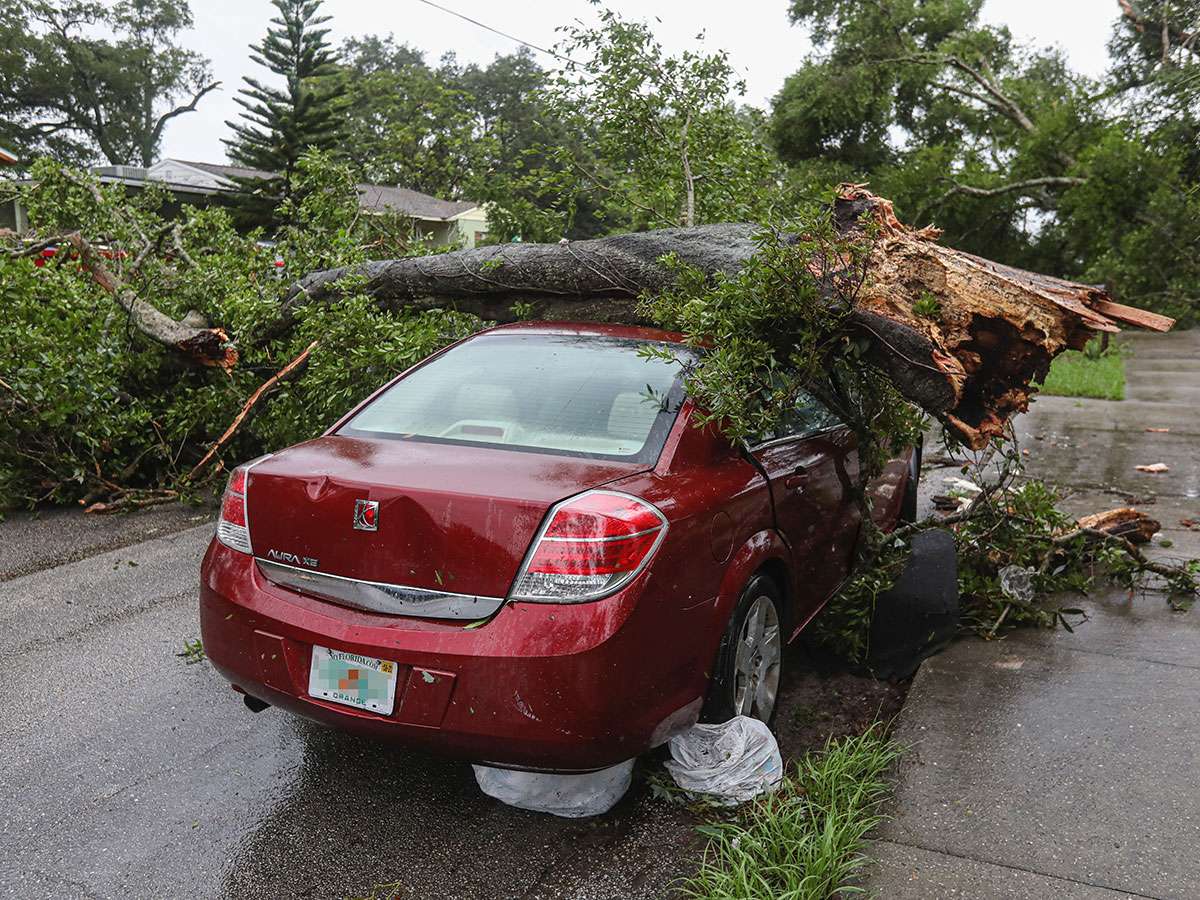
When selling a used car, it's important to understand how its history can impact its value. A previous accident, for instance, can significantly reduce the car's value. This is especially true for serious accidents that required extensive repairs. In a Reddit thread, a user shared his experience with a 2019 Hyundai Ioniq Blue that had been in a serious accident. Despite the car looking and driving the same after repairs, the user was concerned about how much the accident would reduce the car's value when selling it.
Dealers and private buyers may make different offers, because their costs, requirements and appetite for risk aren’t the same. Don’t assume either type of buyer will overlook accident damage.
Differing Opinions on Accident History
A repaired car and a car with a branded or rebuilt title aren’t necessarily in the same situation, and buyers may see them differently. How much an accident affects value depends on the vehicle and the market, not on a universal five- or ten-year rule.
However, it's important to note that these are just opinions. The actual impact on a car's value can vary depending on many factors, including the severity of the accident, the quality of the repairs, and the car's make and model. For more insights on this, check out our blog post on the top 10 best aging used cars.
The Role of carVertical Reports
Car history reports may show recorded damage and help buyers decide what to look into. They can’t guarantee that every accident shows up, they don’t tell you how good the repairs were, and they don’t replace an independent appraisal and inspection.
For more information on carVertical and how to use it, check out our carVertical review and our guide to VIN decoders.
Estimating the Value Reduction
The original discussion mentioned reductions of 20% to 50%, but those were individual opinions, not a reliable pricing rule. Compare similar vehicles and get an appraisal that takes into account damage severity, repair evidence, title status and local demand.
For more information on how mileage can impact a car's value, check out our blog post on decoding the mileage impact on older cars' value.
Conclusion
Understanding how a previous accident can affect a used car's value is crucial when selling or buying a used car. While a previous accident can reduce a car's value, the actual reduction can vary depending on many factors. Car history reports, such as those provided by carVertical, can provide valuable information about a car's past and help work out its value after an accident.
For related buying and selling guides, visit our blog or return to the homepage to compare vehicle history services.
Frequently Asked Questions
How to calculate depreciation value of a car after an accident?
The depreciation value of a car after an accident can be calculated by comparing the car's value before the accident and its current value. This can be done using online tools or by consulting with a professional appraiser. Factors such as the extent of the damage, the quality of the repairs, and the car's make and model will all affect the depreciation value.
Can a Carfax Report Help Assess Accident History?
A Carfax report can turn up recorded accident information that matters for a valuation. But a Carfax report isn’t proof that every accident has been disclosed, and on its own it doesn’t tell you the car’s market value or how well it was repaired.
What affects the resale value of a car the most?
Several factors can affect the resale value of a car. These include the car's age, mileage, condition, and history (including accidents and maintenance). The make and model of the car, as well as the demand for that particular car, can also significantly impact its resale value. Additionally, factors such as the color of the car and the availability of certain features or options can also affect its resale value.
What causes a car to lose value?
Cars can lose value due to a variety of factors. Depreciation is a major factor, with cars typically losing value over time simply due to age. High mileage can also cause a car to lose value, as can poor maintenance or lack of servicing. Accidents and damage to the car can significantly reduce its value, especially if the damage is severe or if the car has been written off and then repaired. Other factors that can cause a car to lose value include changes in market demand, changes in fuel prices (which can affect the value of certain types of cars), and the release of new models.