Mileage is one part of a used car’s value. Age, maintenance, condition and demand also matter. This guide explains how to weigh those factors together and spot mileage records that need a closer look.
Two cars of the same age can have very different histories. Compare how they have been used and maintained before deciding whether a lower odometer reading justifies a higher price.
Mileage and Age: Assess Both
Mileage tells you how far a car has traveled, while age takes a toll on parts even when the car is rarely driven. Neither one always matters more than the other. Look at both, along with maintenance, storage and the car’s current condition.
The Mileage Misconception
All else being equal, buyers often pay more for a car with fewer miles. In practice, maintenance, damage and equipment can change the picture. A higher-mileage car with solid records may be a better buy than a neglected low-mileage one.
Brand Perception and Car Value
Brand perception can also influence the perceived value of a car. Some brands are known for their durability and reliability, which can maintain a car's value even with high mileage. On the other hand, brands known for frequent mechanical issues may see their value decrease more rapidly with mileage.
The Low-Mileage Phenomenon
Low mileage draws buyers in, but it doesn’t prove a car is in better shape. Look for a consistent mileage history and proof that the car was still maintained while it was barely being driven.
The Rise of the Classics
Some cars from the 1980s and 1990s now attract collector interest. Their value may depend heavily on originality, condition and documentation. Age or low mileage alone does not make a car collectible.
The Age-Related Debate
Despite the allure of low mileage, it's important to note that older cars can have issues due to age-related wear and tear and outdated safety standards. This raises the debate about the value and potential issues of a low-mileage older car versus a higher-mileage newer car.
Mileage and Resale Value
Mileage has a significant impact on the resale value of cars. Cars with lower mileage usually have a higher resale value, as they are perceived to have more life left in them. This is an important consideration for both buyers and sellers.
Checking for Mileage Fraud
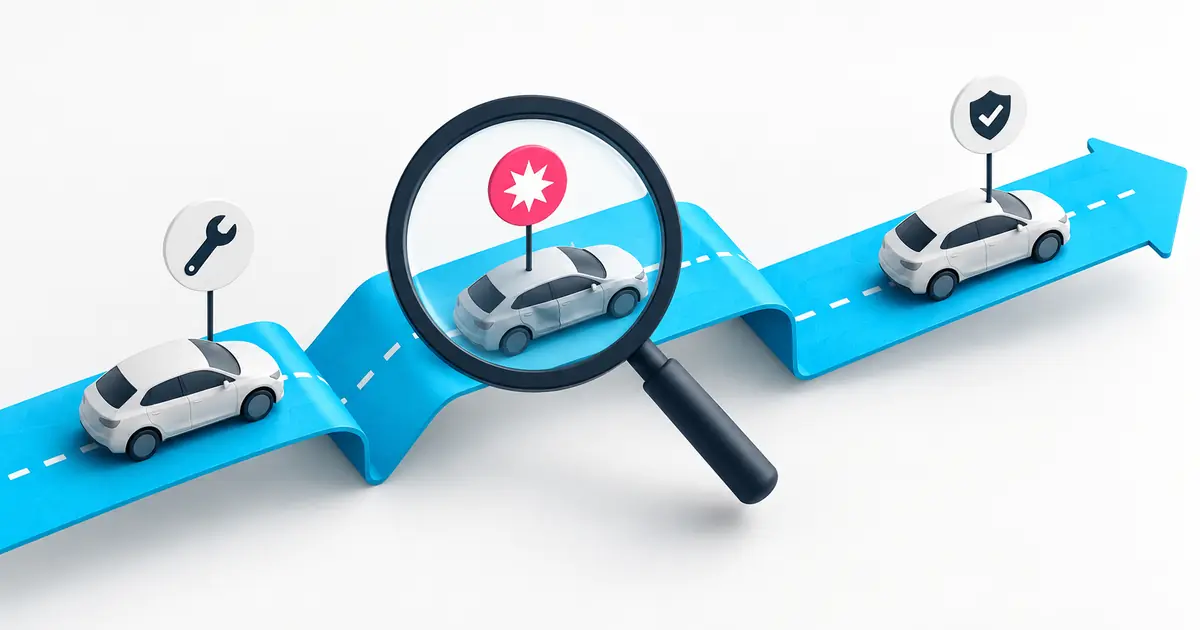
Mileage fraud involves changing an odometer reading to make a vehicle appear less used. Services such as carVertical can help you verify car history by comparing the recorded readings they find. Missing data or a clean report doesn’t rule out tampering. See our discount on carVertical page for the offer terms, then confirm the price with the provider.
Is 100,000 Miles a Cut-off Point?
Reaching 100,000 miles is a good reminder to check the scheduled maintenance, but it doesn’t mean the car is at the end of its life. When buying a used car, compare the manufacturer’s service schedule with invoices and the findings of an inspection.
Car Depreciation: Mileage vs Age
Mileage and age can both affect depreciation, alongside demand, condition and ownership costs. There’s no fixed rule that one always matters more, so compare similar vehicles in the same market and inspect the individual car.
Car Valuation and Mileage Adjustment
When valuing a car, mileage adjustments are often made. This means that the car's value is adjusted based on its mileage, with high-mileage cars typically being valued less than similar cars with lower mileage.
Conclusion
Understanding the impact of mileage on the value of older cars is crucial when buying or selling a used car. It's important to consider not just the car's age, but also its mileage, brand, and maintenance history. Remember, a well-maintained car with high mileage could be a better deal than a low-mileage car that hasn't been properly cared for.
FAQs
Does mileage matter on old cars?
Yes, mileage does matter on old cars. The higher the mileage, the more wear and tear the car has likely experienced, which can affect its performance and value.
How much does mileage affect a car's value?
Mileage can significantly affect a car's value. Generally, a car with high mileage is worth less than an identical car with fewer miles. This is because high mileage indicates more wear and tear, which can lead to increased maintenance and repair costs.
What is a good mileage for an older car?
There is no universal target mileage for an older car. Check whether the reading fits its recorded history, use and condition. A low number only counts for something if the evidence backs it up.
How many miles should a 10-year-old car have?
There’s no fixed mileage range a 10-year-old car should fall into. Annual use varies by driver and market. Compare dated service and inspection records to see whether its reading is believable.