A used electric car needs the same ownership and condition checks as any used vehicle, plus a closer look at the battery and charging. Start with how you drive, where you can charge and your total budget.
The choice can seem complicated when battery size, charging speed and range are all described differently. Focus on the spec and condition of the actual car, not the headline figures for a new one.
For most people, the first step in buying a used electric car is getting to know what EVs can and can’t do, and figuring out whether one would fit into their daily life. This guide aims to make that easier, with a step-by-step approach to understanding and buying a used EV.
What to Look For When Buying A Used Electric Vehicle
Transitioning from traditional gasoline or diesel cars to electric ones can seem challenging. From higher initial costs to learning about battery sizes and figuring out public and home charging, there's a lot to consider.
To learn more about what to look for when buying a used electric vehicle, we’ve put together a list of the key things to consider. Here’s what to keep in mind:
Charging infrastructure
Work out where you’ll charge most often and what your options are on longer trips. Check connector compatibility, charging access and rates before deciding that a particular EV fits your routine.
The following Level 1 and Level 2 terminology is commonly used in North America. Electrical supplies and installation requirements differ in other markets:
- Level 1: Charging from a suitable 120 V outlet is fairly slow. Whether it can keep up with your daily driving depends on the car, the charging power and how long the car stays plugged in.
- Level 2: A suitable higher-power AC installation, commonly 240 V in North America, can charge faster. The vehicle’s onboard charger and the installation both limit the charging rate, so get proper advice on installation.
Public charging includes AC and DC equipment. Location apps can help you find stations, but check that a station works with your car and will be available when you need it. DC charging times vary with the vehicle, battery temperature, charge level and charger; there’s no single time to 80% that applies to every EV.
Additionally, when selecting a used electric car, you need to check its charge port type to make sure it works with your home charging setup and the most common type of public charging stations in your area.
VIN check
A VIN check may reveal recorded accidents, mileage entries, ownership changes or other events, depending on the service and available data. Compare the report with service documents and recall information for the particular car.
A history report isn’t a battery health test. Some services may include battery or battery-replacement records where available, but have the actual battery properly assessed before you count on its remaining capacity.
For more details, check out our article on The Best Vin Decoders in 2024, where you can find the right tools to ensure you make an informed decision before finalizing your purchase.
Battery life
Owning an EV means knowing a bit about battery technology and care, so the battery lasts and keeps performing well.
Ask the seller or dealer what battery-health information is available for the vehicle. Some models display useful indicators; others require a manufacturer-specific diagnostic test. Don’t assume every dealer can give you a standardized battery report.
It helps to know the difference between two measurements:
- State of health (SoH): An estimate of battery condition or remaining capacity relative to a reference point. How it’s calculated and displayed depends on the vehicle or the testing method.
- State of charge (SoC): How much charge is available at that moment. A full charge does not mean the battery retains its original capacity, and the displayed range varies with conditions and recent driving.
How fast a battery ages depends on its design, how the car is used and charged, and the conditions it operates in. A warranty period isn’t the same as the battery’s lifespan. Check the battery’s current condition and the manufacturer’s coverage for that specific car.
Battery tracker
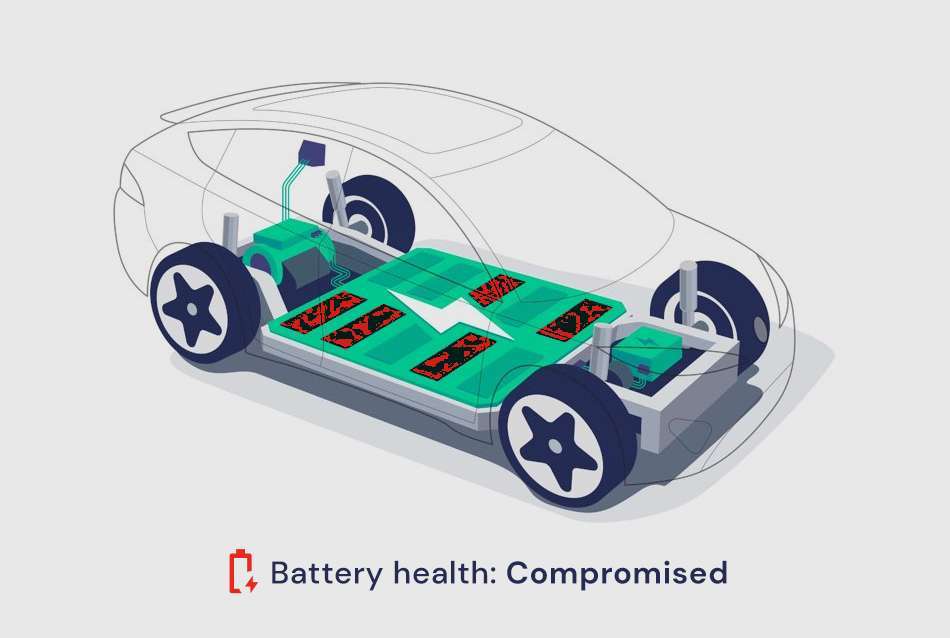
A battery tracker for an electric vehicle is a sophisticated tool or application designed to monitor and report on the health and performance of the EV's battery over time.
These tools can provide valuable insights into charging patterns, degradation rates, and overall battery condition. A tracker can also show you when it’s worth changing how you use and charge the car to extend battery life.
Some vehicles and diagnostic tools offer battery-health information. Check which functions are available for the exact model and software version, and what the reported figure actually measures.
Where VIN decoders or history services include battery information, check its source and date. A past entry gives useful context, but it’s no substitute for a current diagnostic check.
Battery information can add context beyond mileage or accident history. Use it alongside an inspection and a clear idea of your repair options; on its own, it can’t predict when battery work will be needed or what it will cost.
Car and battery warranty
Read both the vehicle warranty and the separate battery terms, if any. Check the start date, mileage limit, capacity threshold, exclusions and whether coverage transfers to you.
Tesla, BMW and MG warranty terms vary by market, model and date. An imported car may come with extra restrictions. Get the terms that apply to that VIN and confirm how much coverage is left, instead of assuming a standard number of years for every car.
Overall condition
Whether you’re buying a new or used car, it's important to inspect the car's exterior for any signs of damage or wear, including dents, scratches, or paint chips, which could suggest past accidents or poor maintenance.
Inside the car, look for excessive wear and tear, like worn seats, damaged dashboard components, or faulty controls, as these can indicate how well the car was cared for.
Just like traditional internal combustion engine (ICE) vehicles, electric vehicles also share components such as suspension, steering, and brakes. We advise having these checked by a mechanic, as you would with any other car.
First Time Buying A Used Electric Vehicle
Once you’ve chosen your used EV, getting the best deal, understanding exactly what you’re buying and closing the sale properly all take a few steps.
If this is your first electric vehicle, we recommend the following step-by-step approach:
1. Consider your needs
When buying a used EV, it’s important to understand your daily driving habits and how much range you need.
Consider the average distance you drive each day and whether the EV's battery range can accommodate your routine without frequent recharges. The size, style and features of the car also play a big part in your decision.
Whether you need a compact car for city driving, a larger vehicle for family needs, or specific technological features for convenience and safety, these considerations will help narrow down your choices to find the perfect used EV match.
2. Do your research
Used electric cars come with their own set of considerations, so it’s worth exploring and comparing different models on the market.
Compare the driving range of several models, such as the Nissan Leaf, Tesla Model S, Chevrolet Bolt or BMW i3, to make sure it covers your daily needs, from distance on a single charge to overall efficiency. It’s also essential to understand the details of the warranty coverage, for both the battery and the car, so you know how much long-term reliability and support to expect.
Together, these points give you a solid basis for an informed decision. It’s also worth weighing the pros and cons of buying a used EV, which we’ve listed below:
| PROS of buying used EVs | CONS of buying used EVs |
|---|---|
| Lower initial costs make them more accessible. | The battery may have degraded, potentially reducing range. |
| Most depreciation has already occurred, offering better value. | May lack the latest technological features and improvements. |
| Contributes to environmental sustainability by extending the vehicle's lifecycle. | The remaining warranty may be limited, offering less future repair protection. |
| Often available for immediate purchase, avoiding waiting lists. | The selection may be limited in terms of models, colors, and features. |
| More information on long-term reliability and performance from existing owners. | Risk of inheriting undisclosed problems from the previous owner. |
3. Budget efficiently
Working out what an electric car will really cost you involves several parts.
Used-EV prices vary substantially by market, age, specification and battery condition. Expect anything from around €9,000 to well over €45,000; these are indicative figures, not current valuations. Compare similar local listings, and budget for any servicing that’s due right away and any charging equipment you’ll need.
Check whether any incentive applies to a used car, given your circumstances and the purchase date. Don’t count a grant or tax break in your budget until you’ve confirmed that you qualify and how the rules apply.
Compare charging rates, expected energy use, insurance, servicing and potential repairs with your other options. Home charging may cost less than public fast charging, but the savings depend on your actual usage and local prices.
4. Go for a test drive
Test driving is another important step in the car-buying process, offering valuable insights beyond specifications and reviews. By test driving several used EV models, you can compare how each one meets your specific needs in terms of performance, comfort, and lifestyle compatibility.
Experiencing the acceleration, handling, and braking of a used electric vehicle firsthand helps you evaluate its performance. EVs usually deliver instant torque, which feels quite different from driving a car with a traditional combustion engine.
Another reason to go for a test drive is that it provides a chance to check seat comfort, cabin space, and ergonomics, which are important for a pleasant driving experience. It also lets you try out the infotainment system, connectivity, and driver assistance tech to ensure they're up to your standards and easy to use.
Finally, you can evaluate how each electric vehicle model fits your daily routines, whether it's for short commutes or extended road trips.
5. Negotiate
Negotiating is a must for both new and used cars, and doing your homework first puts you in a stronger position.
Start with thorough market research to understand the fair price for your chosen EV model. Factor in any available EV incentives that could lower the overall cost.
Try to get extras, such as charging equipment or an extended warranty, included in the deal at a discount or as part of the package.
6. Complete the sale safely
Before signing anything, carefully review all the paperwork involved, including the bill of sale, warranty information, and any dealer agreements. Make sure the title is properly transferred to your name so you’re officially the owner.
Then register the car where you live, which may involve showing proof of insurance and your driver’s license and paying any fees. Remember, some areas offer perks for used EV owners.
As with other used cars, compare the agreed price with the records and inspection findings. In the used car market, battery condition and realistic access to charging are two more things to settle before you commit.
Conclusion
It's reassuring to learn that buying a used electric car follows a process that isn’t that different from acquiring any traditional vehicle, with a few additional steps such as setting up a home charger and getting to know public charging stations.
Choose an EV that fits your real range and charging needs, and make sure you have a battery assessment and paperwork you understand. Settle any questions about condition, warranty and running costs before you complete the sale.