A vehicle history report is most useful when it helps you test a seller’s story against dated records. In a carVertical vs. CARFAX choice, start with where the car has been registered and what you need to clarify—not with the idea that either report can certify a used car. Both can surface useful history, but available records vary by VIN.
Quick verdict
For a vehicle whose history is mainly in the United States or Canada, CARFAX is a natural report to consider because its North American product is designed for those markets. For a vehicle that has crossed borders, carVertical may be worth considering because it can bring together records from supported markets. Neither result is a substitute for checking the title, talking through discrepancies with the seller, and inspecting the actual vehicle.
The practical answer is often to choose the report that best matches the car’s registration history. Read the provider’s current product information before paying, since the records returned for one VIN can differ from those returned for another.
For fuller background on each service, see our carVertical review and CARFAX review. See how we compare VIN check services for the factors to use when weighing providers.
Coverage: U.S., Canada, and imported European cars
CARFAX’s U.S. and Canadian reports are aimed at North American vehicle histories. That makes the VIN, title documents, and the locations in the report especially important to compare when a car has spent its life in those markets. CARFAX also has country-specific products, so a buyer looking at an imported car should confirm that they are using the relevant service for the vehicle’s prior registration markets.
carVertical may be useful when an imported vehicle’s documents span more than one country. Its report can bring together available information from supported markets. That does not mean every country or every period in the vehicle’s life will be equally documented. A clear-looking section may simply mean that a record was never reported or was not available to the service.
For an imported European car in the United States, ask the seller for paperwork from before import, then compare dates, mileage units, VIN details, and repair evidence. A report is a starting point for those questions, not a replacement for the documents.
Report contents compared
Both reports can help organize a used car’s past into a record you can read before meeting the seller or arranging an inspection. The exact sections and depth of information depend on the VIN and available sources.
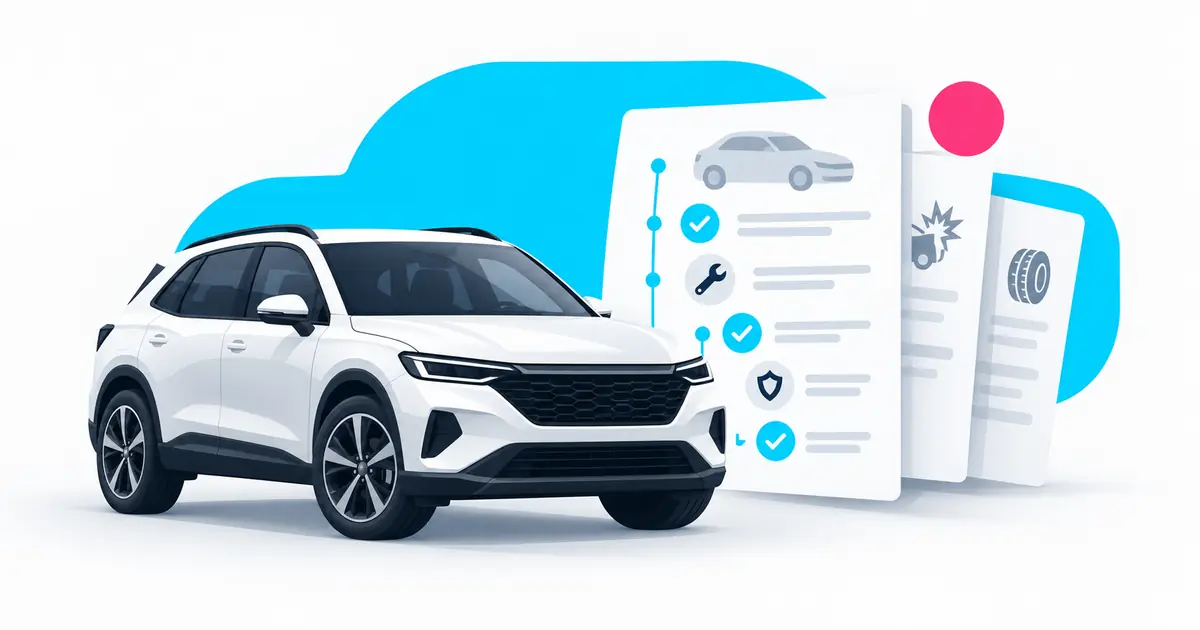
CARFAX may show title, mileage, damage, service, ownership, and use information. Its report can also include recall and warranty-related information, which should be confirmed directly with the manufacturer or dealer when it matters to your decision.
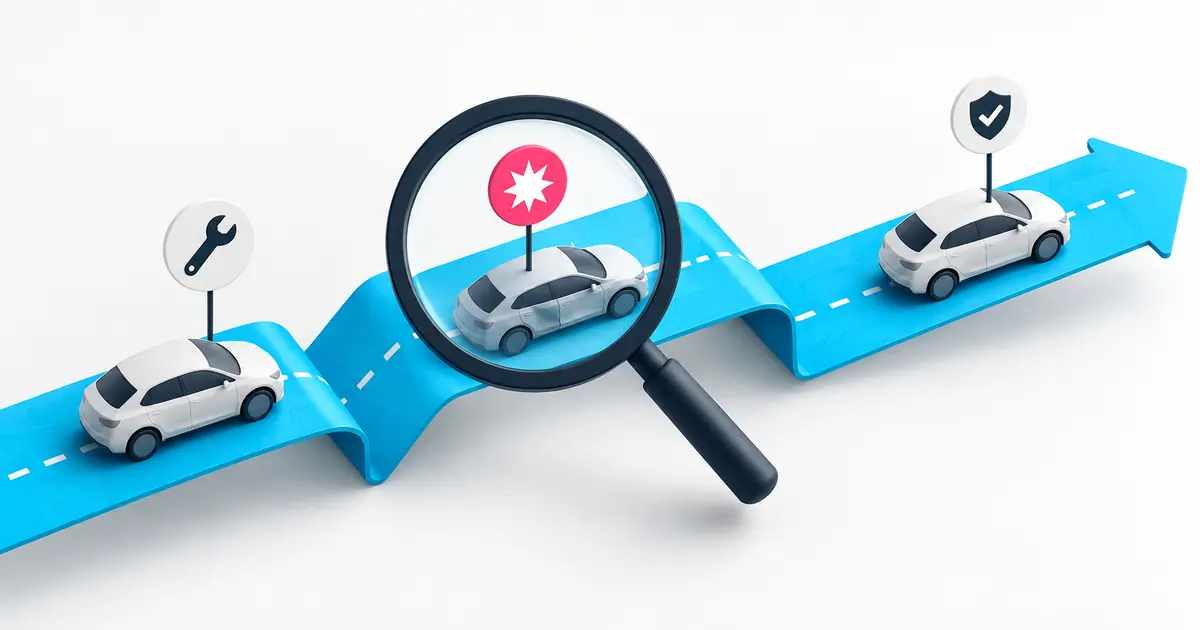
carVertical may present a timeline of available records, including mileage, registration changes, recorded damage, specifications, and, where available, historical photos. It may also show theft or administrative events and other categories. Treat each entry as a lead to investigate. Check dates and source context rather than relying on a summary label.
A report can be valuable even when it raises only one question. For example, an unexpected change in mileage may tell you to request service invoices, while an old photo may tell you exactly which panel to have a technician inspect.
Accident, title, mileage, theft, and photo records
An accident or damage entry is not a diagnosis of the vehicle’s present condition. Ask what was repaired, request invoices where available, and have the affected area checked. Conversely, an empty damage section is not proof that the car was never damaged: private repairs and unreported incidents may be absent from any history report.
Title information needs the same care. Read the title itself and confirm the VIN on the vehicle, paperwork, and report match. If a title brand, salvage history, or another serious inconsistency appears, pause the transaction until you understand it. Our guide to checking a salvage title before buying explains why the paperwork and current condition both matter.
Compare every dated mileage reading with invoices, inspection documents, and the odometer. A discrepancy can have several explanations, including a recording error or an instrument-cluster change, so do not assume a cause without evidence.
The National Motor Vehicle Title Information System says it does not contain theft records and that such records appear through the National Insurance Crime Bureau. That is a useful reminder not to treat one database or report section as the whole answer to a theft question. Follow up an alert with the appropriate authority and do not buy until the issue is resolved.
Historical photos can be especially helpful when available, but they show the vehicle at a particular time only. They cannot tell you whether later repairs were performed correctly.
When carVertical may be useful
Consider carVertical when the car has a cross-border history and you want a timeline that may pull together available records from supported markets. It may also be useful if historical photos, a visual damage summary, or dated mileage entries would help you prepare targeted questions for the seller.
Before ordering, confirm the car is supported and check the countries where it was registered. Then compare the report with the original documents and the vehicle itself. A gap after export deserves a question, not an assumption.
When CARFAX may be useful
Consider CARFAX for a U.S. or Canadian vehicle when you want to review available title, damage, mileage, service, ownership, and use records in a North American report. It can be particularly convenient when a seller has already provided a recent report for the exact VIN.
Check the report date and make sure the VIN is identical to the vehicle you are considering. A report supplied for a similar listing or an older report may not answer the question you have today.
Limitations and missing data
No vehicle history report records every repair, accident, service visit, or ownership event. Data can be missing because an event was not reported, a source was unavailable, or the vehicle moved between markets. A clean report is not a mechanical inspection, and a report cannot verify repair quality or current wear.
Treat a report as one part of a buying file. Add the title and registration documents, seller communications, service records, a test drive, and an independent pre-purchase inspection. Our used-car inspection checklist can help turn report findings into practical checks.
How to choose before buying
Use this sequence to keep the comparison focused on the car rather than the brand:
- Confirm the VIN on the vehicle matches the title, registration, listing, and report.
- List the countries or states where the vehicle has been registered and select the product that fits that history.
- Read the current report description and checkout terms before purchasing; do not rely on an old screenshot or package price.
- Mark every mismatch, history gap, damage entry, title issue, or unusual mileage reading for discussion with the seller.
- Bring those questions and documents to an independent inspection.
- If you decide carVertical is the right report for your search, see our carVertical discount guide before checkout.
Walking away is reasonable when a seller cannot explain a material inconsistency or provide documentation that should exist. A vehicle history report should make the decision more informed, not rush it.
Frequently asked questions
Is carVertical better than CARFAX?
Neither is automatically better for every vehicle. CARFAX is a logical comparison point for U.S. and Canadian history, while carVertical may suit a vehicle with records across supported markets. Choose based on the specific car’s past and the information you need.
Will either report show every accident?
No. Events that were not reported or were unavailable to a provider may not appear. Use any damage history to guide questions and an inspection, and do not interpret no entry as proof of no damage.
Can I use a report instead of an inspection?
No. A report can reveal issues to investigate, but it does not assess current mechanical condition, battery health, or repair quality. Arrange an independent inspection before committing to a used-car purchase.
What should I do if the reports or documents conflict?
Stop and compare the VIN, dates, mileage units, and supporting paperwork. Ask the seller for an explanation and relevant records. For a title, theft, or identity concern, seek guidance from the relevant authority before proceeding.