A used car with more than 100,000 miles needs a careful look, but mileage alone won’t tell you whether it’s a smart buy. This guide covers service history, model-specific research, inspection and the costs to budget for.
Choosing a Reliable High-Mileage Used Car
When it comes to buying a used car with high mileage, the most important factor to consider is how well the vehicle was maintained by its previous owners. A well-cared-for car can easily outlast a neglected one, even if the latter has lower mileage. The following sections explain the key factors to consider and what to avoid when searching for a reliable high-mileage used car.
Importance of Maintenance History and Care
Look at the maintenance history and overall care, not just the number on the odometer. A car with over 100,000 miles that has been regularly serviced and well-maintained is more likely to be reliable than a poorly maintained car with lower mileage. When searching for a used car, always request service records and have a trusted mechanic inspect the vehicle for any signs of neglect.
Researching Toyota and Honda Models
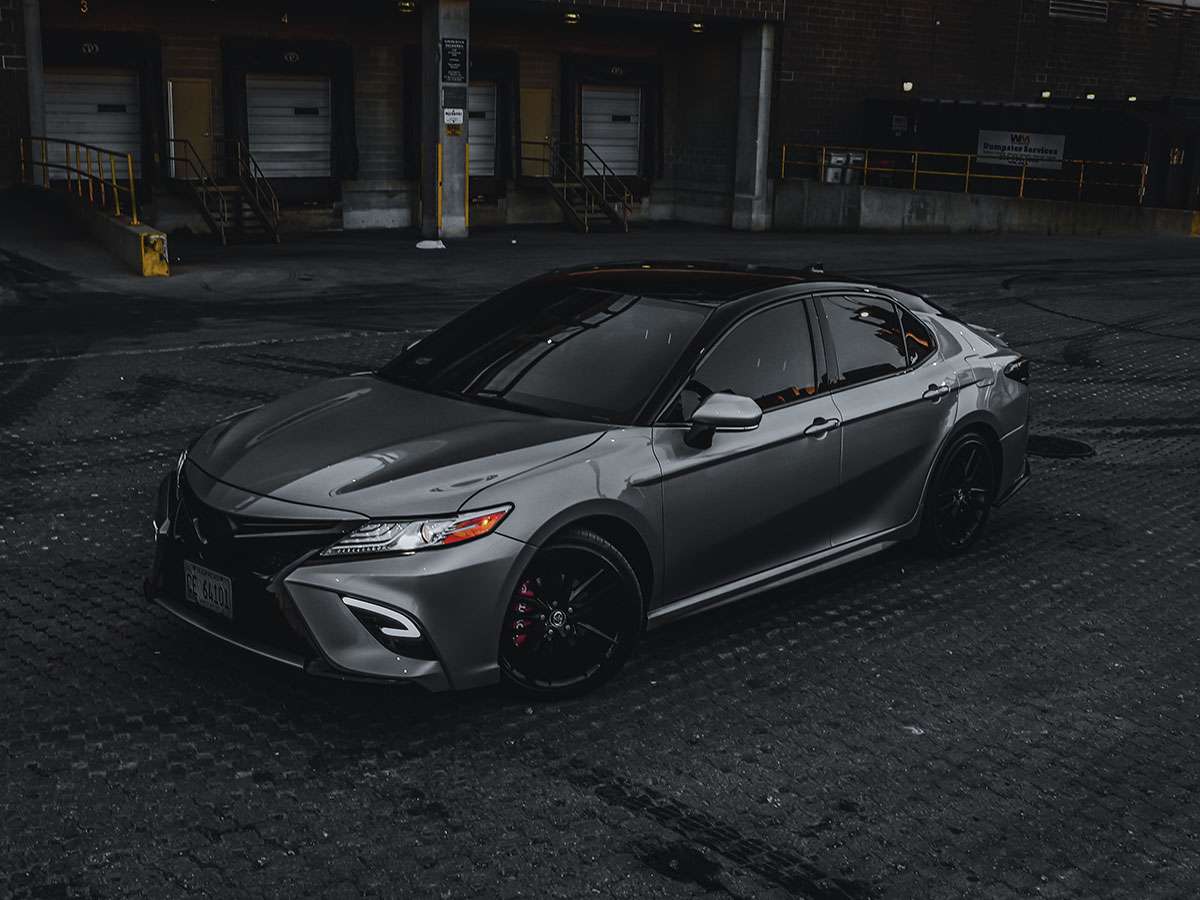
Toyota models such as the Camry and Corolla, and the Honda Accord, are popular starting points for a high-mileage shortlist. Look into the specific engine, transmission and model year, then check the records of the individual car. A brand’s reputation won’t make a neglected car reliable.
Other Brands with Reliable High-Mileage Models
Subaru, Mazda and Ford also have models worth researching, depending on your budget and requirements. Compare the specific generation and powertrain instead of assuming a whole brand is reliable.
Car Research: The Key to a Smart Purchase
Before purchasing a high-mileage used car, it's crucial to research the vehicle's history and any known issues. This means checking the car's title status, gas mileage, and reliability ratings from sources like JD Power. A clean title and a good reliability rating for the model don’t prove that a particular car was properly maintained. Check its condition and service records separately. Also look at the car’s gas mileage to make sure it fits your fuel economy needs. Websites like carVertical and Carfax can provide valuable information on a car's history and potential issues.
Inspecting the Car: Essential Pre-Purchase Steps
When considering a high-mileage used car, it's vital to inspect the vehicle thoroughly. Look for signs of wear and tear, rust, leaks, or any other issues that may indicate the car was not well-maintained. When possible, bring a trusted mechanic to inspect the vehicle with you. They can provide expert advice on the car's condition and identify potential problems that may not be apparent to the untrained eye.
What to Avoid in High-Mileage Used Cars
Look up known problems for the specific model year, engine and transmission. Ruling out every CVT or every older model is too broad a rule. Check maintenance requirements, repair history and any relevant recalls, then have an independent mechanic check the car you’re considering.
The Benefits of Purchasing from Private Sellers
Buying a high-mileage used car from a private seller can be advantageous. Private sellers often have a more intimate knowledge of the vehicle's history and can provide detailed maintenance records. Furthermore, they may be more willing to negotiate on price compared to dealerships. However, always approach private sellers with caution and have a mechanic inspect the car before making a purchase.
Preparing for Potential Repairs and Maintenance
When purchasing a high-mileage used car, it's essential to prepare for potential repairs and ongoing maintenance costs. Budget for regular maintenance, such as oil changes, brake pad replacements, and tire rotations, to keep your vehicle in optimal condition. Additionally, consider setting aside a fund for unexpected repairs, as older vehicles may require more frequent attention.
Trusting Your Instincts and Taking Your Time
When searching for a reliable high-mileage used car, it's crucial to trust your instincts and take your time. If a deal seems too good to be true or the seller appears to be hiding something, it's best to walk away and continue your search. If the evidence doesn’t back up what the seller says, take the time to look at other cars.
When buying a high-mileage car, go by the records and condition of that particular car. Compare the known risks for the model, get an inspection and set aside a repair budget. Walk away if important questions remain unanswered.
FAQs
What are the best high-mileage used car brands to consider?
Start with models that suit your needs and are easy to get serviced and find parts for, then research their specific engines and transmissions. Toyota, Honda and Subaru appear on many shortlists, but a brand name is no substitute for checking the individual car.
How can I ensure a high-mileage used car is reliable and well-maintained?
To ensure a high-mileage used car is reliable and well-maintained, focus on obtaining a thorough vehicle history report, checking maintenance records, and having a trusted mechanic perform a pre-purchase inspection. These steps will provide valuable insights into the car's condition and any potential issues.
What should I look for when inspecting a high-mileage used car before purchase?
When inspecting a high-mileage used car before purchase, pay attention to the condition of the engine, transmission, suspension, brakes, and tires. Also, look for any signs of fluid leaks, rust, or damage to the body and interior. Test drive the car to assess its performance, handling, and overall feel on the road.